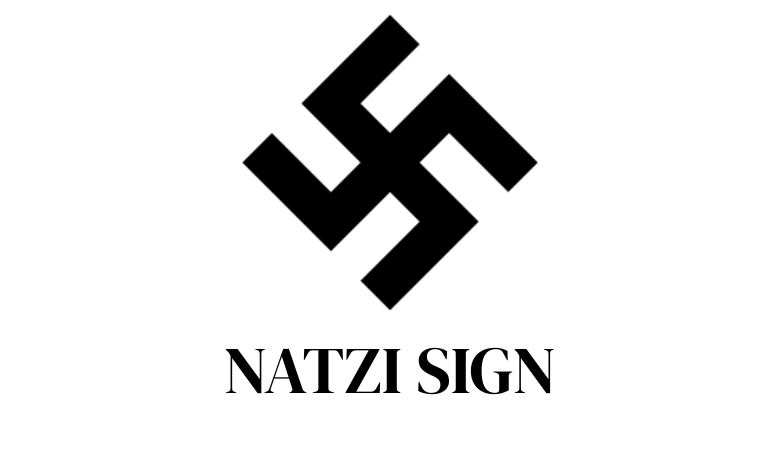
The term “Nazi sign” often evokes immediate associations with one of the most infamous emblems in modern history: the swastika, or Hakenkreuz as it was known in German. Adopted by Adolf Hitler’s Nazi Party in the early 20th century, this symbol became synonymous with the horrors of the Third Reich, including the Holocaust, World War II, and ideologies of racial supremacy. However, the swastika’s story is far more ancient and complex, originating as a sacred icon in various cultures long before its appropriation by the Nazis. This article explores the origins of the swastika, its transformation into a Nazi emblem, its meaning within Nazism, related symbols like the Sieg Heil salute, post-war perceptions and legal bans, and the distinctions from its traditional forms. Drawing on historical sources, we aim to provide a comprehensive understanding of this potent symbol’s evolution and impact.
Ancient Origins of the Swastika
The swastika is one of humanity’s oldest symbols, dating back at least 7,000 years. Derived from the Sanskrit word “svastika,” meaning “conducive to well-being,” it has been found in archaeological sites across Eurasia, from the Indus Valley to Scandinavia. In Hinduism, Buddhism, and Jainism, the swastika represents prosperity, good fortune, and the eternal cycle of life. For Hindus, it is often associated with the god Ganesha and is drawn during festivals like Diwali to invoke blessings. In Buddhism, it symbolizes the footsteps of the Buddha and is commonly seen on temples and statues.
Archaeological evidence suggests the swastika appeared in Neolithic cultures, such as the Vinča culture in Serbia around 6000 BCE, where it adorned pottery and artifacts. It also features in ancient Greek, Roman, and Celtic art, often as a decorative motif signifying movement or the sun. Native American tribes, like the Navajo, used similar hooked cross designs in baskets and rugs to represent wholeness. Prior to the 20th century, the swastika was widely regarded as a positive symbol in the West too; it appeared on Coca-Cola bottles, Boy Scout badges, and even U.S. military insignia during World War I.
Read Also: Snow choe jeong in piano roblox
These ancient uses highlight the swastika’s universal appeal as a emblem of auspiciousness. In Hindu and Buddhist contexts, it is typically depicted with arms bending to the right (clockwise) or left (counterclockwise), flat or at an angle, and in colors like red, gold, or yellow. For instance, in India, it is often accompanied by dots or integrated into rangoli designs during religious ceremonies.
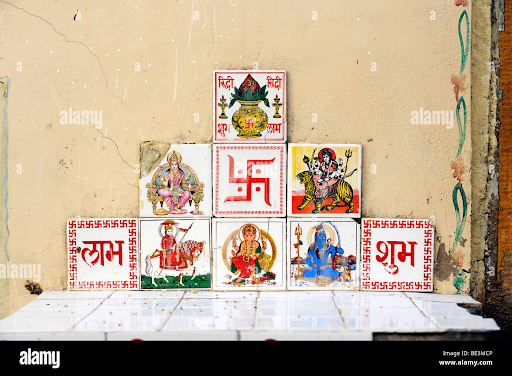

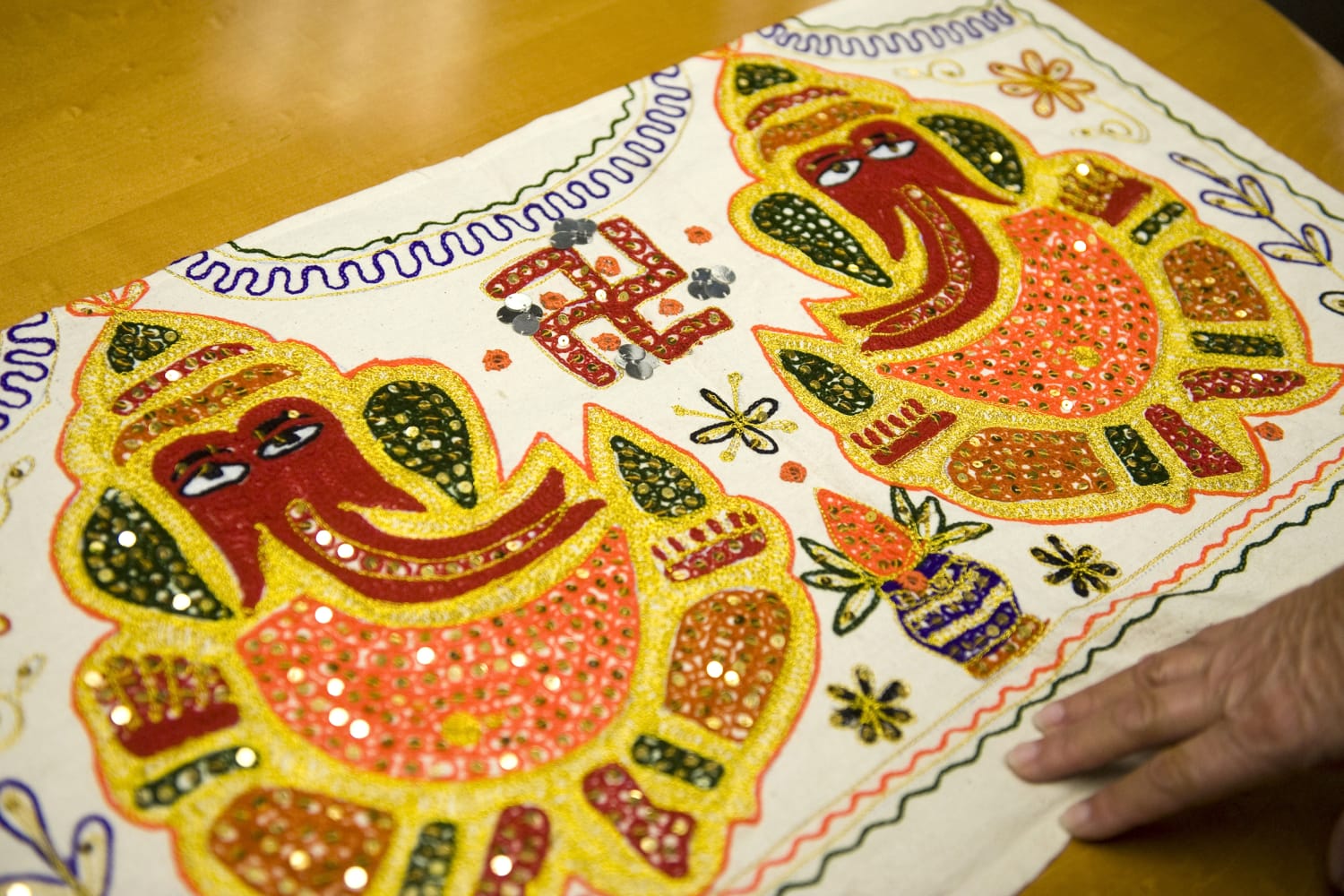
This benign history starkly contrasts with its later perversion, but understanding these roots is crucial to appreciating how a symbol of peace was twisted into one of hate.
Adoption by the Nazis
The swastika’s journey to becoming a Nazi symbol began in the 19th century amid rising German nationalism and pseudoscientific theories of Aryan supremacy. German scholars, influenced by translations of ancient Indian texts, linked the swastika to Indo-European origins, viewing it as a marker of “Aryan” heritage. Figures like Heinrich Schliemann, who excavated Troy, popularized it as an ancient Germanic symbol, though this was a romanticized interpretation.
Adolf Hitler, in his 1925 autobiography Mein Kampf, described designing the Nazi flag in 1920. He chose the swastika for its supposed ancient Germanic roots, tilting it at a 45-degree angle on a red background with a white circle to symbolize the “social idea” of the movement. The black swastika represented the struggle for Aryan victory, white for nationalism, and red for socialism (though twisted into National Socialism). By 1935, it became the official flag of Nazi Germany, replacing the Weimar Republic’s colors.
The Nazis did not invent the swastika but appropriated it from völkisch (folkish) groups like the Thule Society, which promoted occult Aryan myths. This adoption transformed it from a global symbol of luck into an emblem of racial purity, antisemitism, and conquest. During the Third Reich, it adorned everything from flags and uniforms to buildings and propaganda posters, embedding it deeply in the regime’s identity.

Meaning and Use in Nazism
Within Nazism, the swastika embodied the core tenets of Hitler’s ideology: racial hierarchy, Lebensraum (living space), and the Führer principle. It was more than a logo; it was a rallying point for the masses, evoking a mythical past while promising a triumphant future. The symbol’s dynamic, hooked arms suggested motion and power, aligning with the regime’s aggressive expansionism.
Other Nazi symbols complemented it. The Sieg Heil salute, involving an outstretched arm and the chant “Hail Victory,” was borrowed from Italian Fascists but became mandatory in Germany after 1933. It symbolized unwavering loyalty to Hitler and was performed at rallies, schools, and public events. Refusal to salute could lead to persecution, as seen in cases of Jehovah’s Witnesses and other dissenters.
The Totenkopf (death’s head) skull, used by SS units, represented elite terror and was worn by concentration camp guards. Runes like the SS lightning bolts (Sig runes) drew from ancient Germanic alphabets, further mythologizing the regime.
These symbols facilitated propaganda, unifying Germans under a visual language of supremacy while intimidating enemies. The swastika’s ubiquity during the Holocaust—on trains, camps, and documents—cemented its association with genocide.



Post-WWII Perceptions and Bans
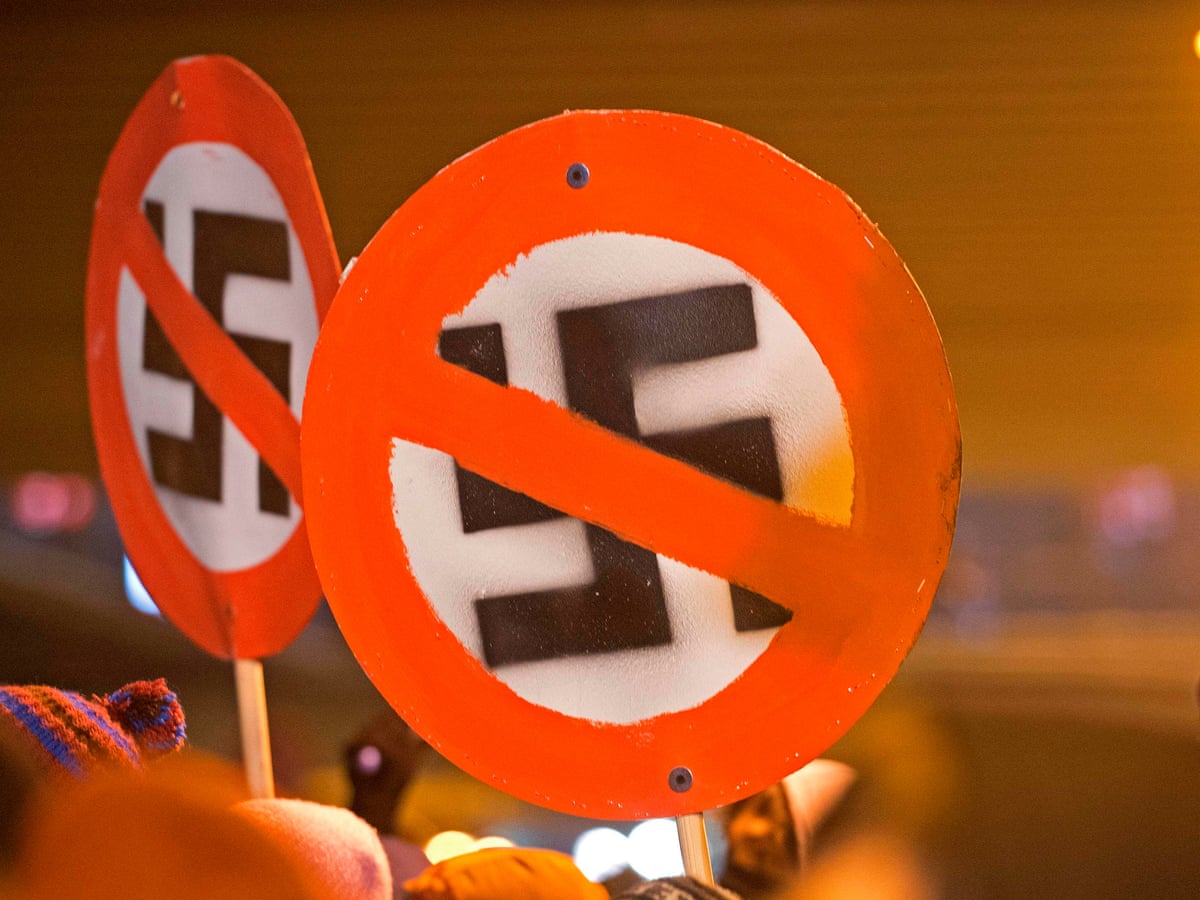
After World War II, the swastika’s legacy shifted dramatically. In the West, it became a universal symbol of evil, representing the murder of six million Jews and millions more in the Holocaust. Germany banned it in 1945 under Allied occupation, a prohibition continued in the Strafgesetzbuch §86a, which outlaws Nazi symbols except for educational or artistic purposes.
As of 2025, bans extend across Europe and beyond. Austria, Switzerland, and several Eastern European countries prohibit public displays, with exceptions for religious uses like Hindu swastikas. Australia and Canada have similar laws, targeting neo-Nazi groups. In Russia, it falls under extremism laws. However, in Asia, where the swastika retains its sacred meaning, no such bans exist, leading to occasional cultural clashes.
Neo-Nazis continue using it covertly, often with variations like the “black sun” or numeric codes (e.g., 88 for “Heil Hitler”). Public perceptions remain overwhelmingly negative, with displays sparking outrage and legal action.


Differences Between Nazi and Traditional Swastikas
A key distinction lies in orientation and context. Traditional swastikas are often flat, right- or left-facing, and colorful, symbolizing harmony. The Nazi version is always right-facing, tilted 45 degrees, black on white in a red field, evoking aggression. Hindu groups emphasize that the Nazi symbol is the Hakenkreuz, not the true svastika, to reclaim their heritage.
Legal systems recognize this; Germany’s ban allows religious swastikas. Yet, confusion persists, leading to incidents where Asian artifacts are mistaken for Nazi memorabilia.
FAQs
- What is the origin of the swastika? The swastika originated in ancient Eurasia, used in Hinduism, Buddhism, and other cultures as a symbol of good fortune.
- Why did the Nazis choose the swastika? Hitler selected it for its supposed Aryan roots, tilting and coloring it to fit Nazi ideology.
- Is the Nazi salute illegal today? Yes, in many countries like Germany and Australia, public performance is banned.
- How does the Nazi swastika differ from traditional ones? It is tilted, black, and right-facing, unlike flat, colorful traditional versions.
- Are there other Nazi symbols still in use? Yes, neo-Nazis use variations like the black sun or Totenkopf.
- Why is the swastika banned in some countries but not others? Bans are common in Europe due to Holocaust history, but in Asia, it remains sacred.
- Can the swastika ever be reclaimed? In non-Western contexts, yes, but in the West, its Nazi association dominates.
Conclusion
The Nazi symbol, particularly the swastika, stands as a stark reminder of how ancient icons can be corrupted by ideology. From a emblem of peace to a banner of genocide, its history underscores the power of symbols in shaping human events. Today, as neo-Nazism rises, understanding and confronting these emblems is vital. Legal bans and education can help preserve the distinction between sacred heritage and hateful appropriation, ensuring that the lessons of the past guide a more tolerant future. While the swastika’s original meaning endures in many cultures, its Nazi legacy demands eternal vigilance against extremism.